

Roofing Building Codes in DC, Maryland, and Virginia
DC, Maryland, and Virginia all base their roofing codes on the International Building Code (IBC) and International Residential Code (IRC). Each jurisdiction adds its own amendments, though, and those amendments create real differences in what a permitted roof replacement requires.
Code compliance is mandatory for any permitted roof replacement. Homeowners replacing a roof after storm damage must meet current code standards, not the code that was in effect when the original roof went on. Non-compliance may void the manufacturer’s warranty, create an open permit violation on title searches, and give an insurance carrier grounds to deny future claims.
Washington DC Roofing Code Requirements
DC has the most restrictive roofing code overlay in the DMV. Cool roof mandates, historic district protections, and federal building adjacency rules all layer on top of the base code.
Permitting. DCRA (now the Department of Buildings) requires a building permit for all roof replacements in the District. No exceptions apply, whether the work is a full tear-off or an overlay. Permit costs range from $150 to $500 depending on project scope and property classification.
Cool roof requirements. DC mandates minimum Solar Reflectance Index (SRI) values for roof replacements. Flat and low-slope roofs must meet an SRI of 78. Steep-slope roofs must meet an SRI of 29. These thresholds apply during any full replacement and limit the range of compliant materials.
Historic districts. Properties in DC’s historic districts require review by the State Historic Preservation Office before roofing work begins. Material changes, such as replacing original slate with asphalt shingles, may be denied outright.
Minimum slope. Asphalt shingles require a minimum slope of 2:12 per IRC Section R905.2. Roof areas below that threshold must use low-slope membrane systems with different specifications.
Tear-off rules. DC allows a maximum of two layers of roofing material. A full tear-off to the decking is required before adding a third layer or when structural inspection reveals decking damage.
Insulation. Roof assemblies in DC fall within climate zone 4A, which requires a minimum insulation value of R-20 whenever the roof decking is replaced as part of the project.
Maryland Roofing Code Requirements
Maryland’s roofing building code applies statewide, but permit fees, enforcement rigor, and supplemental requirements vary by county.
Permitting. All Maryland counties require a building permit for roof replacement. Fees range from $75 to $250. Prince George’s County has an extra requirement: a separate sheathing replacement permit is triggered if more than 50% of the roof decking is replaced during the project.
MHIC licensing. Every roofing contractor working in Maryland must hold a Maryland Home Improvement Commission (MHIC) license. Homeowners can verify license status at dllr.state.md.us before signing a contract.
Storm damage repair availability, contractor density, and typical repair timelines vary across Maryland counties. Prince George’s County and Charles County see the highest storm damage volume in the state because of their position in the DMV hail corridor. Storm Damage Roof Repair in Maryland
Ice barrier requirement. Ice barrier membrane is mandatory in all Maryland counties. The membrane must extend at least 24 inches past the interior wall line along all eaves.
Insurance matching rule. Maryland requires insurers to match materials on undamaged roof sections when a partial replacement would create a visible mismatch. This rule may benefit homeowners whose shingle color or profile has been discontinued.
Tear-off rules. The two-layer maximum applies statewide. Many counties now require full tear-off to one layer for all permitted replacements.
Ventilation. Maryland code requires 1 square foot of net free ventilation area per 150 square feet of attic floor. That ratio drops to 1:300 with balanced intake and exhaust ventilation.
Insulation. Climate zone 4A applies across the Maryland DMV, requiring R-20 minimum for roof assemblies whenever the roof system is opened.
Virginia Roofing Code Requirements
Virginia’s roofing building code is governed by the Virginia Uniform Statewide Building Code (VUSBC). Enforcement intensity varies by county; Fairfax County and Arlington tend to enforce more strictly than rural jurisdictions.
Permitting. Most Virginia jurisdictions require a building permit for full roof replacements. Fees range from $100 to $350. Some counties exempt overlay installations (adding a second layer over the first) from permit requirements, though the work must still meet code.
DPOR licensing. The Virginia Department of Professional and Occupational Regulation requires a Class A, B, or C contractor license depending on project value: Class A for projects over $120,000, Class B for $10,000 to $120,000, and Class C for $1,000 to $10,000.
No mandatory matching rule. Virginia does not require insurers to match undamaged roof sections during a partial replacement. This is a direct contrast to Maryland’s matching rule.
Tear-off rules. The two-layer maximum applies under the VUSBC. A full tear-off is required when structural issues are present or when adding a third layer of roofing material.
Wind resistance. IBC wind speed maps place Northern Virginia in the 110 to 120 mph design wind speed zone. This requires more nails per shingle and specific placement patterns beyond the standard fastening schedule.
Insulation. Virginia’s DMV-area counties fall within climate zone 4A, matching DC and Maryland at R-20 minimum for roof assemblies.
Permit Costs and Timeline by Jurisdiction
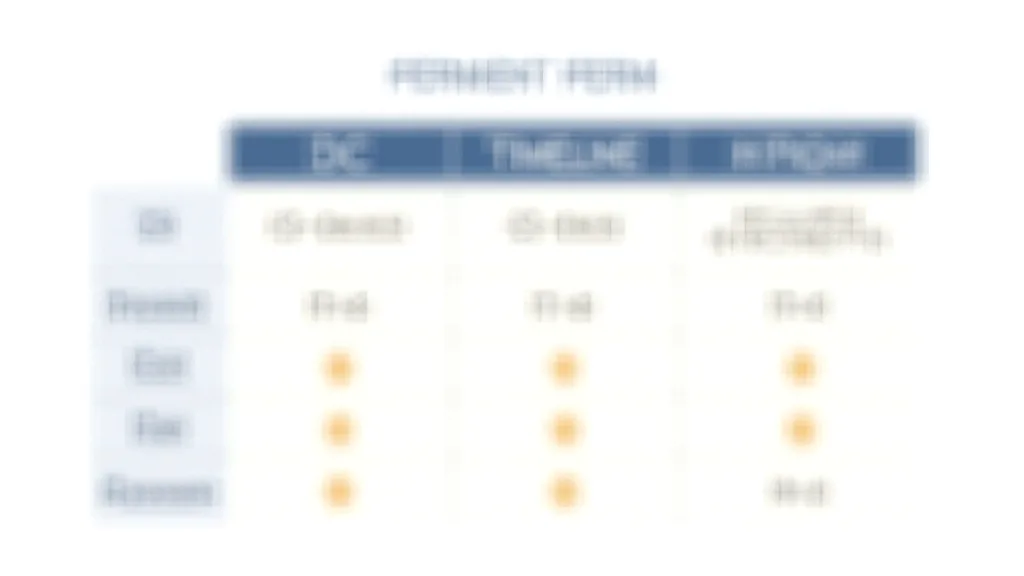
Permit fees and processing times differ across all three DMV jurisdictions.
Washington DC: $150 to $500, with processing times of 5 to 15 business days. Expedited processing is available for emergency storm damage repairs.
Maryland (varies by county): $75 to $250, with processing times of 3 to 10 business days. Prince George’s County and Montgomery County typically run at the longer end of that range.
Virginia (varies by county): $100 to $350, with processing times of 3 to 7 business days. Fairfax County offers same-day permits for simple roof replacements that meet standard specifications.
Each jurisdiction requires different documentation with the permit application: contractor license verification, scope of work descriptions, and sometimes engineering drawings for structural modifications. Missing documentation is the most common cause of permit delays. Roof Permit Process Step by Step
Storm damage emergency repairs may proceed without a permit in all three jurisdictions when delay would cause ongoing water intrusion. Homeowners must obtain the permit retroactively within the timeframe specified by the local building authority. Working without a required permit can void insurance coverage and create title issues when selling.
When Storm Damage Triggers Code Upgrades

A storm damage roof replacement must meet current building code, not the code under which the original roof was built.
The 50% rule is the key threshold. If 50% or more of the roof covering is removed or damaged, the entire roof must be brought up to current code per IEBC reroofing requirements. A severe hailstorm that damages most of the roof surface will almost certainly trigger this rule.
Whether your roof damage reaches replacement-level severity is the first question to answer before getting into code compliance. Minor damage may warrant repair rather than full replacement, and repairs carry fewer code upgrade requirements. A quick self-assessment helps gauge damage severity and set expectations for the scope of work. Take the 2-Minute Storm Damage Assessment —>
Code upgrades during storm damage replacement are not covered by standard dwelling coverage. These costs fall under the ordinance or law (O&L) insurance endorsement, a separate endorsement that pays the difference between pre-loss construction and current-code construction. Most standard policies include only 10% of dwelling coverage for O&L, which may not be enough for older DMV homes with multiple code gaps. Ordinance & Law Coverage for Roof Replacement
The most common code upgrades triggered by storm damage in the DMV are ice barrier addition, insulation upgrade to R-20, ventilation improvement, and SRI-compliant materials for DC flat roofs. Homeowners without O&L coverage pay these costs out of pocket, typically $3,000 to $12,000 for pre-2000 homes.
DC’s cool roof SRI requirements add a layer of cost for flat roof storm damage repairs. Any full replacement on a flat or low-slope roof in DC must meet the SRI 78 threshold, which limits material choices and costs more than standard flat roof materials. Flat roof homeowners in DC face the storm damage repair bill and the mandatory cool roof upgrade at the same time. Flat Roof Storm Damage Guide

Frequently Asked Questions
Do I need a permit to replace my roof in Maryland?
Yes. All Maryland counties require a building permit for roof replacement. Fees range from $75 to $250 depending on the county, and Prince George’s County requires a separate sheathing replacement permit if more than 50% of decking is replaced.
What are the cool roof requirements in DC?
Flat and low-slope roofs must meet a minimum Solar Reflectance Index (SRI) of 78 during full replacement. Steep-slope roofs must meet SRI 29. These building code thresholds apply to all permitted roof replacements in the District.
Can I put a new roof over an old one?
All three DMV jurisdictions allow a maximum of two layers of roofing material. Adding a third layer requires a full tear-off to the decking. Many counties now require full tear-off to one layer for all permitted replacements, even when only two layers are present.